
TopicWell
Quench Your Curiosity – Find a New Favorite Holiday Today!
Caffeine’s Little-Known Benefits

Justify Your Caffeine Addiction with These Groundbreaking Benefits and Natural Sources of Caffeine
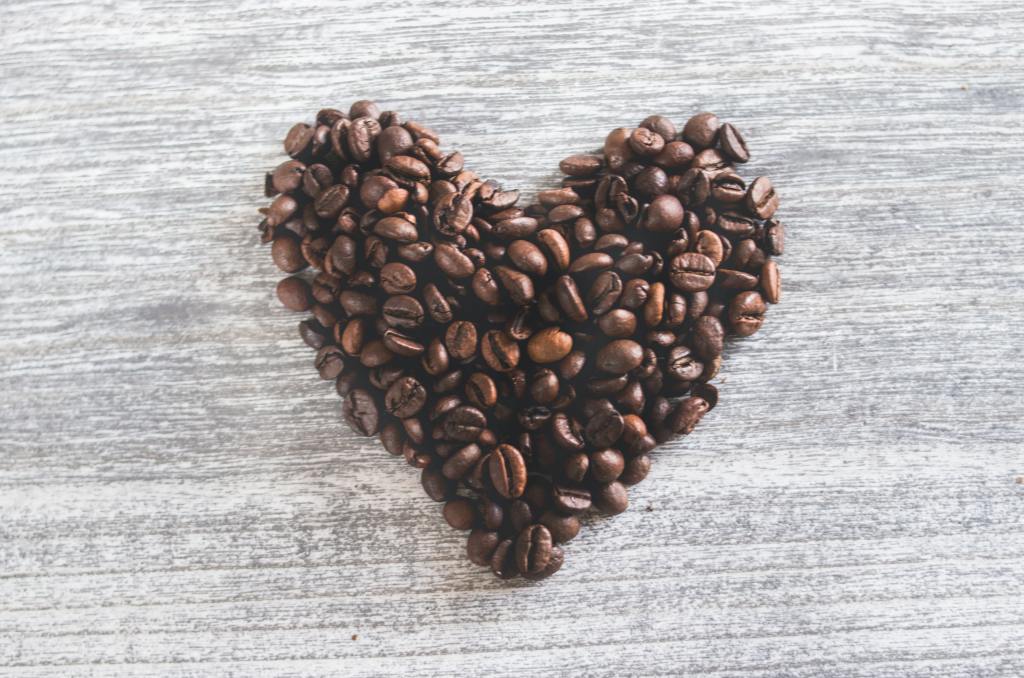
Hi! It’s Liz here, and I would like to justify my own coffee obsession by sharing some neat and scientifically backed benefits of a little chemical called caffeine. We know it. We love it.
Furthermore, I’m going to show you three natural pick-me-ups, along with coffee, that can give you a burst of energy and caffeine on your more sluggish mornings! Join me as we delve into the science, wonder, and sources of the spunky chemical that fills our mugs every day!
This article is not meant to be taken as medical advice, and you should always talk to your doctor if you have any concerns regarding a change in diet or an increase in caffeine consumption. This is meant to be a fun read about the benefits of something you may already be indulging in, and it’s a good idea to consume caffeine in moderation. Before diving in, know that I will not discuss sources of caffeine, such as energy drinks and sodas. These have been linked to various health problems and contain significant amounts of sugar according to Harvard and GoodRx Health.
Caffeine: What is it?
When I think of caffeine, I picture a big, steamy cup of brewed beans, but that’s not all that it can grow up to be! This mashup of carbon, hydrogen, nitrogen, and oxygen is a crystalline stimulant that perks you up and gives you a swift burst of vigor when consumed.
Its powers are activated when our bodies soak it up into our bloodstream and carry it to our brain and nervous system. There, it acts like a traffic guard and blocks the path of the chemicals that cause fatigue or relaxation. It then replaces them, transforming us from Oscar the Grouch into the Cookie Monster.
Much like other stimulants, caffeine is considered a drug, and it can become very addictive! That’s why I encourage moderation, though I can’t say I follow this advice every day. Like many, I have fallen prey to the allure of caffeine, and I must say, I haven’t kicked it yet! Unlike other stimulants such as nicotine, however, caffeine can be a healthy addition to our day.
What Caffeine Does for Us!
The most popular benefit of caffeine, of course, is the energy that it gives you! When you wake up in the morning, rubbing sleep out of your eyes as you rush to get ready, caffeine is a welcome and appealing solution to the early-morning slumps. Thanks to sources such as healthline.com, Medical News Today, and caffeineinformer.com, however, we now know that caffeine has so much more to offer!
Benefits of caffeine include but are not limited to:
- Spurring along your metabolism by stimulating your nervous system
- Aiding in weight loss by breaking fat cells down and suppressing your appetite
- Supplying your body with essential nutrients such as vitamin B, potassium, niacin, and magnesium
- Sharpening your mind by making you more alert and quick-thinking
- Potentially lowering the risk of many liver ailments
- Lifting up your mood and shining light on your day!
- Protecting, potentially, against liver and colon cancer
- Lowering heart attack and stroke risk, despite the fact that it elevates blood pressure and heart rate
- Packing your diet with antioxidants
- Gently aiding bowel movements and acting as a mild diuretic
- Reinforcing the eyes and eyelids and possibly preventing cataracts/spasming eyelids
- Alleviating minor headaches
While the majority of these benefits can and do come from coffee, they can certainly be obtained through all of the caffeine-rich foods and drinks I will introduce next! Read on to learn some invigorating sources of caffeine that you can find every day!
Natural Sources of Caffeine



Though technology lets us make caffeine synthetically, it’s also found naturally. Today, we will focus on its natural sources. It was first discovered by a fellow named Friedlieb Ferdinand Runge, a doctor who purified its crystals in the early 1800s. Since then, it has been consumed and adored by many who have gotten their hands on it. Let’s see what forms of caffeine we can get our hands on!
Coffee
Ah, coffee! It’s the most popular caffeinated beverage in the known world! Brewed from roasted coffee beans and percolated through a coffee maker, no one can deny the familiar aroma of America’s favorite caffeinated beverage. Coffee is my favorite caffeinated drink, and it comes in so many varieties that I never get bored with it! I drink it black, with no bells or whistles; iced, with a hefty splash of vanilla almond milk; in frappe-form, with plenty of caramel swirls and the works; and every other way you can think of. Coffee has my heart, and it’s an addiction that I’m not sure I can kick.
Coffee has an interesting history as well. Did you know, in early American and British history, coffee was actually illegal? Many people in power viewed coffee similarly to the way people view certain illicit drugs today. The effect that coffee had on the mind seemed too good to be true, and that scared a society whose main form of beverage those days was alcohol. Alcohol is a depressant, the exact opposite of the stimulant that caffeine is, so it is easy to see why the drastic change scared some people!
After a great many years, scholars such as Isaac Newton began normalizing the drink and shared mind-blowing ideas over coffee. They did this in the first-ever coffee houses throughout the world, and soon coffee became a worldwide phenomenon!
Tea
Steeped in history and budding in the hearts of many that prefer an earthy, mild taste to the more bitter coffee, tea is the second-most popular source of caffeine today. From oolong to green, tea is packed with antioxidants, sweet aromas, and yes, caffeine! I myself indulge in tea on the rare occasion that coffee is unavailable.
This natural beverage has many health benefits, and it is widely known to help with upset stomachs, sore throats, and stuffy sinuses. You’ll need to drink a bit more tea than coffee to get the same buzz, but thankfully, tea hydrates you more than coffee. You can even control its caffeine content by adjusting how long you steep it. For a lighter amount of caffeine, you can steep it for just a moment, and for a strong burst of caffeine, you can leave the tea bag in the mug to steep the entire way through!
Bear in mind that not all tea contains caffeine, as herbal teas made with lavender, chamomile, ginger, and dried fruit may not contain any caffeine at all. The types of tea that contain caffeine include, but may not be limited to, green, black, white, oolong, Guayusa, and Yerba Mate. Discover what tea leaves appeal to you, and open your palate to new coffee alternatives!
Chocolate
Oh, yeah. You read that right! As if we needed another excuse to eat chocolate, the sweet treat has been holding a secret from us. Whether it’s a steaming mug of cocoa or a melt-in-your-mouth chocolate bar, sweet, decadent chocolate can contain as much caffeine as a quarter cup of coffee. It depends on the type of chocolate you eat. Generally, the darker the chocolate is, the more caffeine it holds. Darker chocolate also contains a higher concentration of heart-healthy antioxidants and minerals. Next time you want a healthy snack, try a bit of dark chocolate crumbled into dried fruit or granola! Who knew a desert could be so healthy?
Apples
An apple a day keeps your caffeine addiction at bay, it seems! Apples are said to contain as much caffeine as a cup of coffee. However, some scientific articles claim that this is false and that the pick-me-up you get from an apple is derived from its natural sugars. Therefore, the jury is still out about the true caffeine content of an apple. Regardless, it has a place on this list because it may contain caffeine, and as apples are a healthy snack, it could be a good idea to try replacing your daily cup of roasted beans with a crisp, juicy apple! The kick you get from a crunchy apple may be all you need to start your day! Let me know in the comments what you think of this potential caffeine replacement, and share any scientific basis you may have for its alleged caffeine content! I would love to see if the claims are valid, and it may help me cut back a bit on my raging coffee addiction.
In Conclusion
I hope you have all enjoyed learning a little bit about caffeine and all the benefits and sources surrounding it! From coffee that stimulated the greatest minds on the planet to decadent chocolatey deserts, you can fuel your day with caffeine and reap its benefits for days and weeks to come. Soon, you will find yourself more chipper and ready to start your morning with a cup, bowl, or plate of caffeine-rich goodness!

As always, thank you to all of my readers for taking the time to read this article! I hope that you learned something from it, but more importantly, I hope you enjoyed the read. If you have any comments, questions, constructive criticism, or ideas for further content, feel free to let me know in the comments or by emailing me at contactliznkey@gmail.com!












 TopicWell